
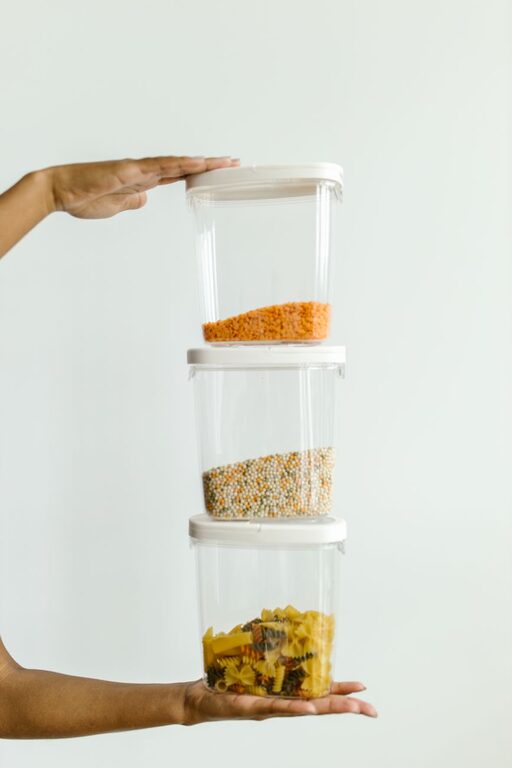
Planning meals from pantry staples is a smart way to make the most of your kitchen essentials while saving time and money. Whether you’re trying to reduce grocery trips or simply want to create quick, satisfying dinners, using what you already have on hand can be both fun and practical. This guide will walk you through effective strategies to plan meals based on your pantry staples, helping you stay organized and inspired in the kitchen.
Understanding Pantry Staples
Before you start planning, it’s helpful to know what counts as pantry staples. These are basic ingredients that you typically keep stocked because they have a long shelf life and can be used in a variety of dishes. Common pantry staples include:
– Grains like rice, pasta, and quinoa
– Canned goods such as beans, tomatoes, and vegetables
– Baking essentials like flour, sugar, and baking powder
– Cooking oils and vinegars
– Dried herbs and spices
– Broths and sauces
Keep a list or take a quick inventory of what you already have. This will save you from purchasing duplicates and inspire ideas based on what’s available.
Step 1: Take Inventory
Start by organizing and checking the expiration dates of your pantry items. Group similar products together so you can easily spot what you have in abundance. For example, place all canned goods on one shelf, dry grains on another, and baking essentials nearby. This visual organization helps you quickly assess what to use first.
Step 2: Think About Meal Categories
When planning meals from pantry staples, it helps to categorize meals. You can think in terms of:
– Grain-based dishes: Stir-fries, pilafs, or pasta meals
– Bean-based dishes: Chili, soups, or salads
– Baking and breakfasts: Pancakes, muffins, or porridge
– Sauce or seasoning-driven meals: Curries, stews, or marinated dishes
By grouping meals this way, you can mix and match ingredients to create variety with limited items.
Step 3: Use a Base Ingredient as a Starting Point
Pick a versatile base ingredient you want to use, such as rice, pasta, or canned beans. Then plan your meal around it by adding flavor and texture with pantry items and fresh ingredients if available. For example:
– Cook rice with spices and canned vegetables to make a quick vegetable pilaf.
– Use canned chickpeas to make a chickpea curry using curry powder and canned tomatoes.
– Combine pasta with a simple tomato sauce made from canned tomatoes, garlic powder, and dried herbs.
Step 4: Plan Complementary Ingredients
Look for ingredients that naturally complement each other. Some examples:
– Canned beans with rice and salsa for a quick burrito bowl
– Canned tuna with pasta and olives for a Mediterranean-style pasta
– Lentils with canned tomatoes and spices for a hearty stew
If you have fresh produce like onions, garlic, or frozen vegetables, add them in to boost flavor and nutrition.
Step 5: Create a Flexible Meal Plan
While planning meals, flexibility is key. Write down a list of meals you can make with your staples, but allow room to swap ingredients based on what you feel like eating or what you have in stock.
Sample flexible meal plan for the week:
– Monday: Pasta with tomato sauce and dried herbs
– Tuesday: Rice and black beans with canned corn and spices
– Wednesday: Lentil soup with canned tomatoes and broth
– Thursday: Chickpea curry with rice and coconut milk (optional)
– Friday: Tuna pasta salad with canned tuna and olives
– Saturday: Vegetable stir-fry using canned vegetables and rice
– Sunday: Pancakes or muffins using baking staples
Tips to Maximize Your Pantry Staples
Keep a Cooking Journal or Notes
Write down your favorite combinations and successful recipes made from pantry staples. This way, you build a personalized recipe bank for future meal planning.
Label and Organize Clearly
Use clear containers or label shelves to quickly find what you need. This practice helps avoid buying duplicates and prevents food waste.
Stock Up on Versatile Staples
Over time, add versatile staples such as canned beans, various grains, and spices to your pantry. These can become the backbone of many easy meals.
Incorporate Fresh or Frozen Ingredients
If possible, supplement pantry staples with fresh or frozen ingredients like onions, garlic, leafy greens, or vegetables. This enhances taste and nutrition without complicating the meal.
Use Online Resources and Apps
Many websites and apps allow you to input pantry items and suggest meals based on what you have. These tools can provide inspiration and save time.
Conclusion
Planning meals from pantry staples is a practical and satisfying way to cook with confidence. By taking inventory, organizing your pantry, and thinking creatively about base ingredients and complementary flavors, you can whip up delicious meals with ease. Remember to stay flexible and use what you enjoy eating to make your meal planning even more rewarding. With these tips, your pantry can become a source of endless culinary possibilities. Happy cooking!