
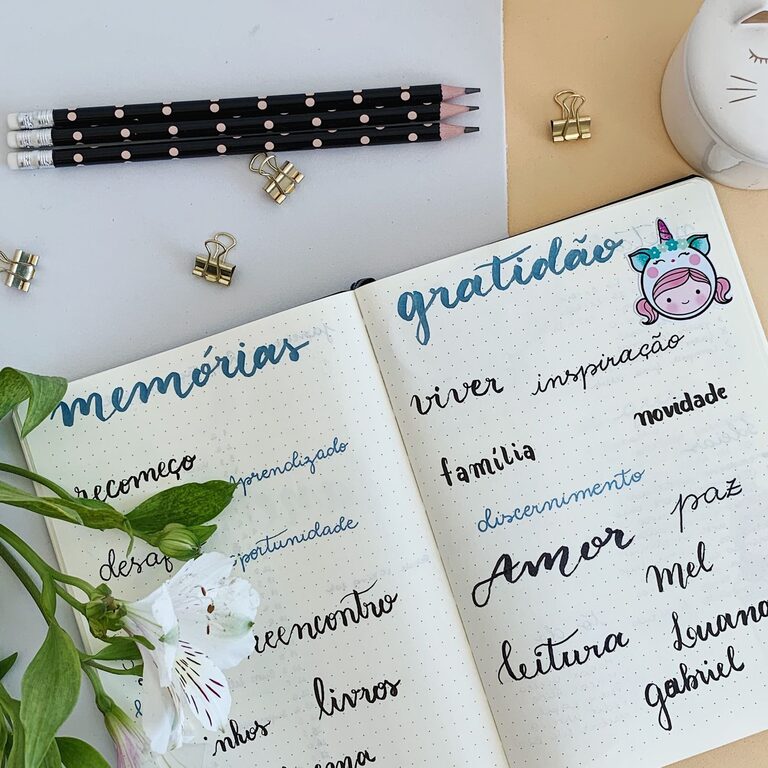
Starting a gratitude journal is a wonderful way to bring more positivity and awareness into your daily life. By regularly noting the things you are thankful for, you can shift your focus from stress or negativity to appreciation and joy. This simple habit can improve your mental well-being, increase mindfulness, and even help you sleep better. If you’re new to gratitude journaling or aren’t sure how to begin, this guide will walk you through easy steps to get started.
What Is a Gratitude Journal?
A gratitude journal is a dedicated notebook or digital document where you write down things you are grateful for. The practice encourages you to reflect on the positive aspects of your life, no matter how big or small. Over time, this habit can help reframe your mindset toward optimism.
Benefits of Keeping a Gratitude Journal
– Improves mood and reduces stress: Focusing on gratitude helps reduce negative emotions.
– Boosts mindfulness: Journaling encourages living in the present moment.
– Enhances relationships: Recognizing others’ kindness strengthens connections.
– Promotes better sleep: Reflecting on positive experiences may improve sleep quality.
– Increases self-awareness: Helps you notice and appreciate everyday blessings.
How to Start Your Gratitude Journal
1. Choose Your Journal Format
Decide how you want to keep your journal. You can use:
– A physical notebook or journal with blank or lined pages
– An app designed for journaling or note-taking
– A simple document on your computer or phone
Pick a format that feels accessible and comfortable for you.
2. Set a Regular Time
Creating a routine helps make gratitude journaling a habit. Many people find it helpful to write:
– In the morning, to start the day positively
– At night, to reflect on the day’s events before sleep
Choose a time that fits your schedule and feels most natural.
3. Keep It Simple
Start by writing 3 to 5 things you are grateful for each day. These can be:
– Specific moments or experiences (“Had a delicious cup of coffee this morning”)
– People and relationships (“Thankful for my supportive friend Emma”)
– Personal qualities or achievements (“Grateful for my persistence at work”)
4. Be Specific and Personal
Instead of writing generic statements, focus on details that are meaningful to you. For example:
– “Grateful for the warm sunshine during my afternoon walk” rather than “Grateful for nice weather”
This helps deepen your appreciation.
5. Use Prompts If You Need Inspiration
If you’re unsure what to write, prompts can help spark ideas. Examples include:
– What made you smile today?
– Name a person who helped you recently.
– What is something you often take for granted?
– Describe a happy memory from this week.
6. Reflect on Challenges
Gratitude journaling doesn’t mean ignoring difficulties. Sometimes, reflecting on challenges can help you find silver linings or lessons learned. For instance:
– “Despite a busy day, I’m grateful for taking a few quiet minutes to breathe.”
7. Keep Your Journal Private
Make your journal a safe space for honesty. You don’t have to share it with anyone else unless you want to.
8. Review Your Entries
Occasionally reread past entries to remind yourself of the good things in your life. This can be uplifting during tough times.
Tips for Maintaining Your Gratitude Journal
– Keep your journal accessible: Place it where you’ll see it daily.
– Don’t stress about perfection: It’s about the practice, not the writing quality.
– Mix it up: Add doodles, photos, or quotes if that makes it more enjoyable.
– Be patient: The benefits build over time with consistent practice.
Example Gratitude Journal Entry
April 15
– Grateful for the kindness of the barista who remembered my usual order.
– Appreciated the peaceful moment watching the sunset.
– Thankful for a productive meeting at work.
– Happy to share a laugh with my sister over the phone.
– Grateful for my health and energy today.
Final Thoughts
Starting a gratitude journal is a simple, effective way to foster positivity and mindfulness in your life. By dedicating just a few minutes each day to reflect on things you appreciate, you can develop a more optimistic outlook and enhance your overall well-being. Remember, there is no right or wrong way to keep a gratitude journal — what matters most is making the practice your own and enjoying the journey. Give it a try today and watch how small moments of gratitude can brighten your days.